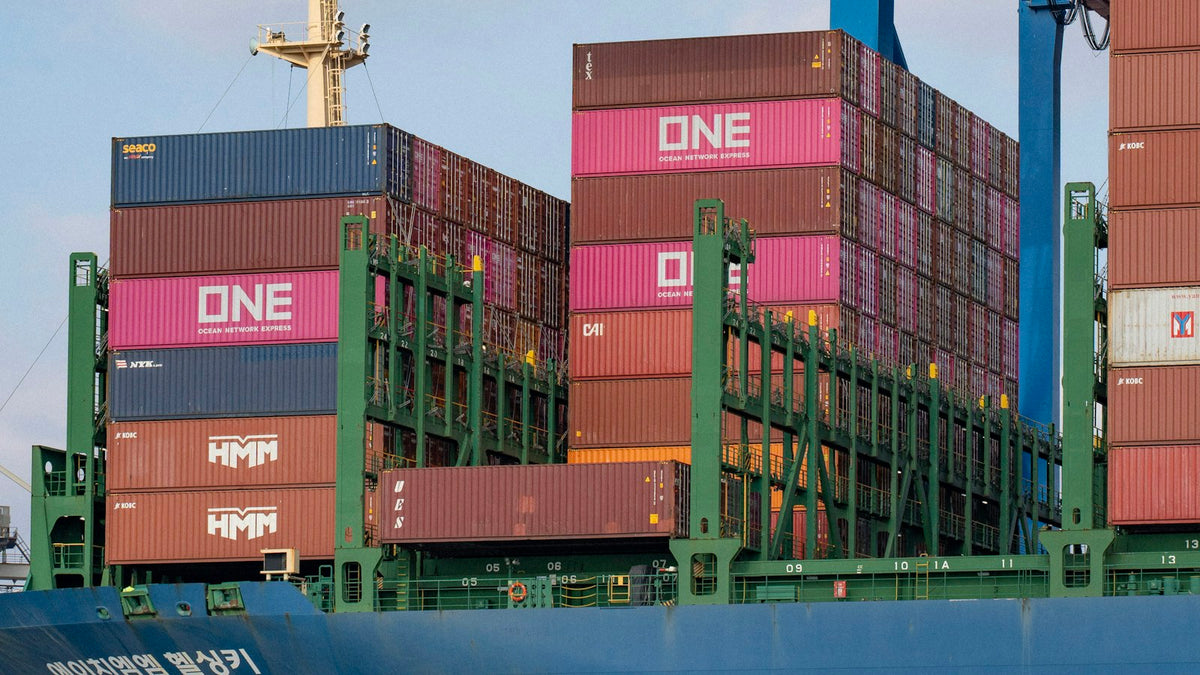
November 9, 2026. China and the United States extended by two months their pause on port fees charged to ships linked to the other country. China's Ministry of Transport said its special fee on US vessels stays suspended until January 10, 2027, while the Office of the US Trade Representative (USTR) extended the suspension of its measures on China-linked vessels to January 9, 2027.
What is paused
According to the ministry's notice carried by CCTV, China keeps three measures on hold: the special fee on US ships, its implementing rules, and an investigation into effects on its shipping and shipbuilding industries. The ministry said the decision, approved by the State Council, applies the outcome of the eighth round of economic and trade consultations.
The USTR extended the suspension of its Section 301 measures on China's maritime, logistics and shipbuilding sectors. Shipping Telegraph says that during the pause no one accrues obligations or pays those fees, and that the USTR received about 60 public comments, some backing the extension to avoid higher shipping costs.
How we got here
gCaptain reports that the US began charging the fees on October 14, 2025, and both sides suspended them on November 10, 2025, after an agreement between Presidents Donald Trump and Xi Jinping in South Korea. While active, Matson reported 6.4 million dollars in Chinese reciprocal fees, and COSCO faced an estimated 1.5 billion dollars a year in US charges. The first suspension was due to expire on November 9, 2026.
Our take
Many Asia-Americas container loops use carriers that call at ports in both countries, so a port fee between them can spread as surcharges across the transpacific network. With the pause in place to January 10, that risk is off the table for most year-end cargo, but cargo leaving China after that date needs a plan B.
- Book sea freight and ask whether quotes include carrier surcharges and what happens if a new one appears.
- Prefer DDP pricing that covers costs to your door.
- Recalculate landed cost for shipments after January 10.