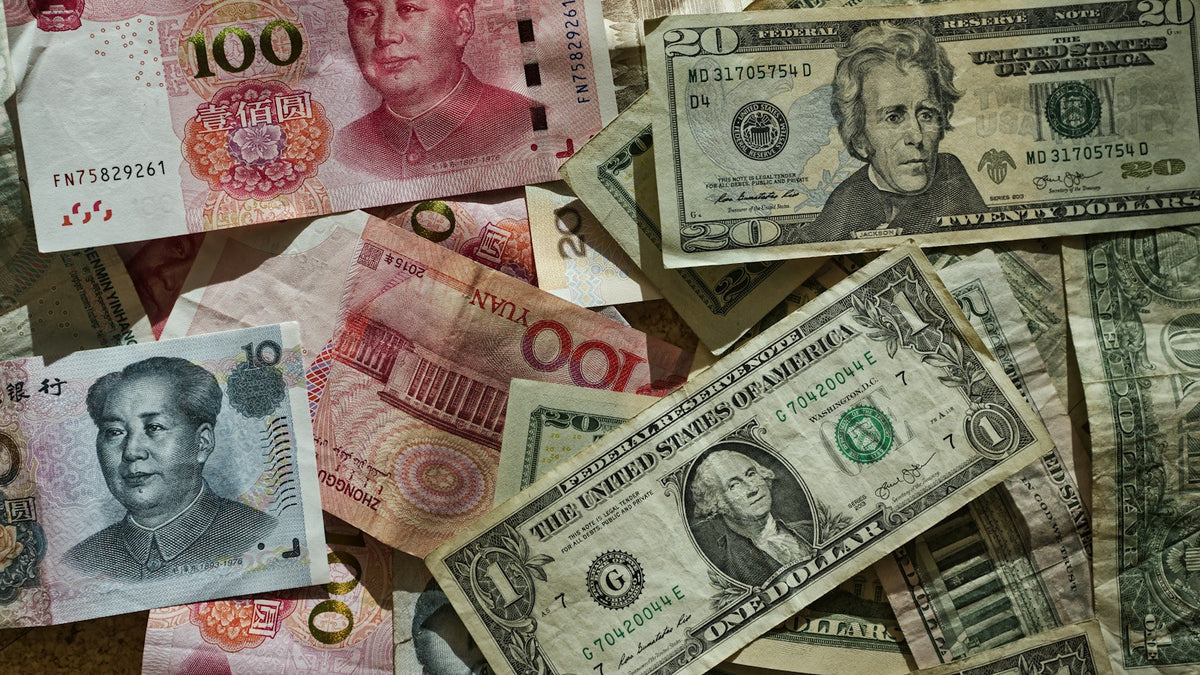
November 12, 2026. The Chinese yuan traded at 6.6684 per dollar, according to Reuters, a gain of 4.9 % so far in 2026. The People's Bank of China set the midpoint at 6.7174 and raised the reserve ratio on foreign-exchange deposits. In November the yuan is down 0.2 %, after the dollar reached a 19-month high.
A near four-year high
Anadolu notes the yuan moved from 6.98 per dollar at the start of the year to 6.64 on November 2, its strongest level in almost four years. Even so, Chinese exports held up: chip exports doubled, and analyst Sadi Kaymaz said "the sensitivity of exports to exchange rate fluctuations remained limited." Low-margin goods such as textiles, toys and furniture slowed slightly.
Factory prices keep climbing
China's National Bureau of Statistics reported on November 9 that the producer price index rose 5.7 % year on year in October and 0.7 % from September. Input prices rose 7.9 %.
- Non-ferrous metal smelting: +18.6 %.
- Coal mining: +36.6 %.
- Oil and gas extraction: +35.0 %.
- Electronics: +5.9 %.
- Automobiles: −1.8 %.
From January to October, producer prices averaged a 2.7 % increase.
Our take
A stronger yuan and higher input costs both push dollar prices up, especially for metal goods and energy-heavy products. Electronics rose less, and cars fell.